

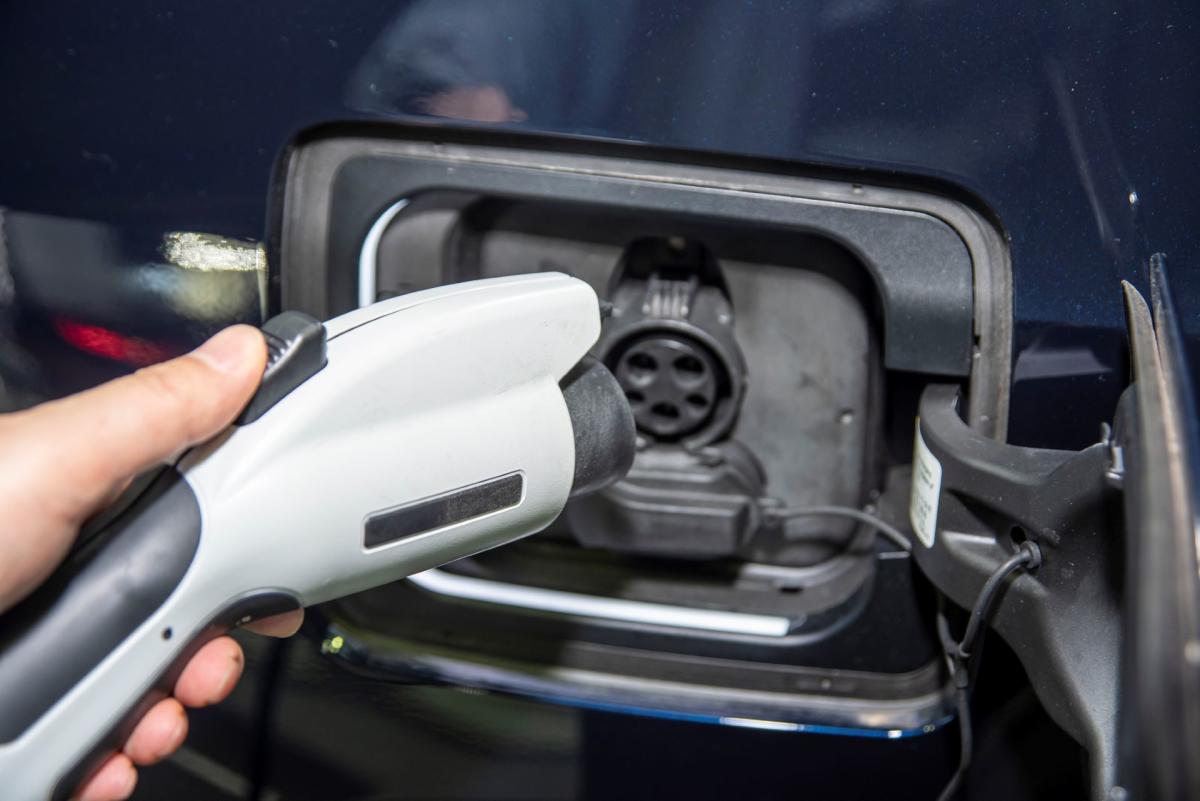
EV batteries more reliable than predicted.::The study took real-world data from 15,000 EVs of various makes and models in the U.S.
EV batteries more reliable than predicted.::The study took real-world data from 15,000 EVs of various makes and models in the U.S.
This is all good news and all, but we need to keep from setting the bar too damn low. I do not consider 100,000 miles to be a huge benchmark. I understand the constraints of a study of EV batteries since most EVs simply haven’t been around long enough to study, but we as consumers should not be accepting EVs to be throw-away items like gadget-makers have turned most consumer electronics.
Yeah 90% charge remaining is still a decent number, but your 200 mile range when new turned into only 180 mile max range in less than a decade. And since you typically are told to only charge to 80%, your real world range is only 144 miles or so. In the winter that will be down to less than 100 miles.
People shouldn’t be falling for misinformation about batteries (like the repeated dismissed myth that they are worse for the environment), but there is also a lot of overly positive info out there that doesn’t reflect reality.
So, and I’m sure I’m not alone in this, my EV (a Polestar 2) charged to 80% gets a theoretical 220’ish miles range (I’m basing this not on the EPA range, but the calculated range in the car based on my driving habits). Now I say theoretical because I’ve never tested it all the way with my largest trip since I’ve owned it being about 70 miles one way. My average “long” driving days are only 50 miles round trip, and an average day where we take the car out is only about 12 miles total in the day. I’ve had a single time where I haven’t charged in my garage at night (on a 110v nonetheless!) and that was the 70 mile road trip where I parked in a garage with a charger so figured I might as well.
Now I bring all this up because I know I’m not alone in this. Sure my driving doesn’t represent everyone but it’s also not singularly unique. Even if this car loses 10% of its range it’s not going to affect my use of it. I know everyone thinks that everyone else does daily long commutes and huge yearly road trips, but that is only a subset of the population (maybe it’s you! I don’t know). But this constant discounting of EVs because they don’t meet some bar for certain groups is disingenuous. They already meet the bar for vast groups of people, and if your daily usage is super high odds are there’s an EV out there that can meet it, even after a drop to 90% years down the road.
Here is the problem with your argument.
In a rather short time, EV’s won’t be a choice. Depending upon the state or country one lives in, a whole ton of places are setting 2030 or 2035 with when the sale of new ICE vehicles will be prohibited. And on top of that, almost all car makers have stated that they will end their ICE production around that time as well. OK, so you admit that not everyone has the same commute. On top of that, not everyone has a garage. Or even a parking space. Some live an hour away from civilization. Those groups individually might be a small percent of vehicle buyers, but together, they represent a fairly significant number of consumers. But if you outright ban the sale of EVs altogether, then what are those people going to do? You are claiming that even with a 10% drop you’ll be OK, but even with your full total range when new, it won’t work with some people’s lifestyles and living situations.
What do you think is going to happen to the hundreds of thousands of existing internal combustion cars? If you really need one, I’m sure there will be one on the used market that’s acceptable.
Beyond that though, a lot can and should happen in 7-12 years. The technology should advance (it already has been pretty rapidly), gas cars have had a century to advance. The goal is currently 600+ miles on a charge and potentially as low as a 10 minute charge time from what I’ve seen with the major milestones anticipated at 2026 and 2028.
These dates also aren’t set in stone… people act like we can’t just say “okay okay, we’re not ready yet, you can make more ICE cars”
Regardless of that, we’re still very much heading towards running out of gas (I have no idea why people stopped talking about that). We’re also still very much heading towards a climate crisis. We need a change, we’re not doing it for the fun of it.
It will have real benefits when it’s done with. Electric is more stable price wise, that will have a stabilizing effect across the economy. It will also prevent us from needing to have another oil war. It will also further clean up the air which will help many breathe better and reduce chronic conditions.
If car manufacturers can’t get battery electric working, the next thing will probably be a push for hydrogen, but ultimately we’ll see. Battery swappable car designs are another idea that’s been floated, and that’s not a bad idea really (it flat out removes the concern of battery packs going bad because you just go to the “gas station” and get a different pack).