

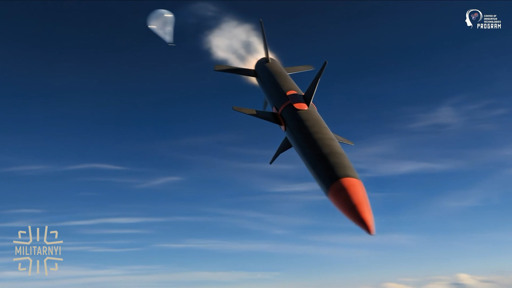
Note this can also be done with a heavier-than-air metal tubular cargo balloons by airdropping them out the back like normal parachute dropped cargo. We are talking about virtually the same hanging vertical launch conditions…
Do the math out on the massive number of interceptors or uavs/strike assets that could be deployed in a burst and then consider from a logistics standpoint you are already utilizing that platform to move high value assets that are time sensitive.
https://www.airandspaceforces.com/air-force-fielding-cruise-missiles-cargo-planes-pallets-2027
The current version uses unmodified cargo aircraft while missile deployment requires no additional crew skills beyond those for airdrops of supplies or vehicles. The system can be thought of as a smart and disposable bomb bay in a box that includes an interface allowing targeting information that is gathered from allied units in the area to be fed to the munitions from a distant fire control center. The system has been successfully used with C-130 and C-17 cargo planes to strike both land and sea targets with armed and test version JASSM-ERs.
https://en.wikipedia.org/wiki/Dragon_Cart

https://afresearchlab.com/rapid-dragon-delivers-long-range-strike-from-cargo-aircraft/
https://jamestown.org/ukrainian-air-force-to-go-into-the-air-cargo-business/
https://en.wikipedia.org/wiki/Antonov_An-178
The An 178 is capable of transport payloads of up to 18 tonnes over 1,000 km, or up to 10 tonnes over 4,000 km.
Now that is an interesting way to get more range out of a missile while keeping the cost down.
You would have to program in lots of targets for it, then whichever it blows near it goes for. As Ukraine has more targets than missiles, this seems like a good way to get more effectors on targets.
And the best is that in Europe the wind usually blows from west to east.
